


January 23, 2026
Environmental toxins; substances found in air, water, food, and household products—interfere with normal biological processes. Heavy metals and synthetic chemicals accumulate in the body over time, affecting brain development, behavior, immune function, and learning.
For children on the autism spectrum or with other neurodevelopmental conditions, even low-level exposure may contribute to challenges with attention, communication, behavior regulation, and cognitive processing.

Arsenic, a naturally occurring heavy metal, exists in soil, water, and air. Its inorganic form poses high toxicity and commonly links to industrial processes.
Common sources of arsenic exposure include:
Long-term exposure, particularly in early childhood, negatively affects neurodevelopment and learning over time.
Industrial activities release cadmium, a toxic heavy metal, into the environment.
Sources include:
Early exposure to cadmium impairs brain development and causes behavioral challenges.
Mercury, a potent neurotoxin, affects brain and nervous system development.
Common sources of mercury exposure:
Studies suggest that children with autism may carry higher mercury levels, which may worsen developmental delays, attention difficulties, and motor coordination.
Similarly, lead exposure remains a significant concern, especially in older environments.
Sources include:
Children with autism may be more susceptible to lead’s neurotoxic effects, which can exacerbate learning difficulties and behavioral challenges.
Aluminum exposure potentially affects neurological function, especially in developing brains.
Sources of aluminum exposure include:
As a result because infants and children have immature detoxification systems, aluminum accumulation may pose higher risks.
Fluoride occurs naturally in soil and water, and municipalities add it to many water supplies.
Common exposure routes:
High fluoride exposure associates with dental fluorosis and potential impacts on cognition, attention, and memory; areas already sensitive for many Neuro-divergent children.
Farmers and households widely use organophosphate pesticides in agriculture and pest control.
Exposure occurs through:
Research links these pesticides to attention problems, learning difficulties, and behavioral challenges in children.
Manufacturers use phthalates—synthetic chemicals—in plastics and personal care products.
Common sources include:
Although research has not proven that phthalates cause autism, they may worsen ADHD-like symptoms, sensory overload, and attention difficulties in children on the spectrum.
Bleach, disinfectants, toilet cleaners, and tap water commonly contain chlorine. While effective at killing germs, excessive exposure can irritate the respiratory system and contribute to sensory discomfort in children with heightened sensitivities.
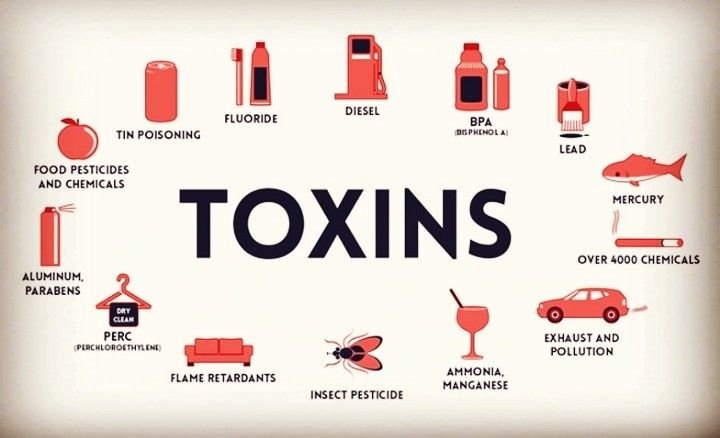
Children with neurodevelopmental differences often process toxins more slowly. This means toxins may build up in the body, even at levels considered “safe” for the general population.
Possible impacts include:
Reducing exposure does not replace therapy, but it can support better outcomes and comfort.
While it’s impossible to eliminate all toxins, parents can take meaningful steps to reduce exposure.
Environmental toxins are often invisible, but their effects can be lasting, especially for children with special needs. By becoming informed and making small, intentional changes at home, parents and caregivers can create environments that better support learning, regulation, and overall well-being.
Protecting neurodevelopment starts not with fear, but with awareness, balance, and thoughtful choices.


